

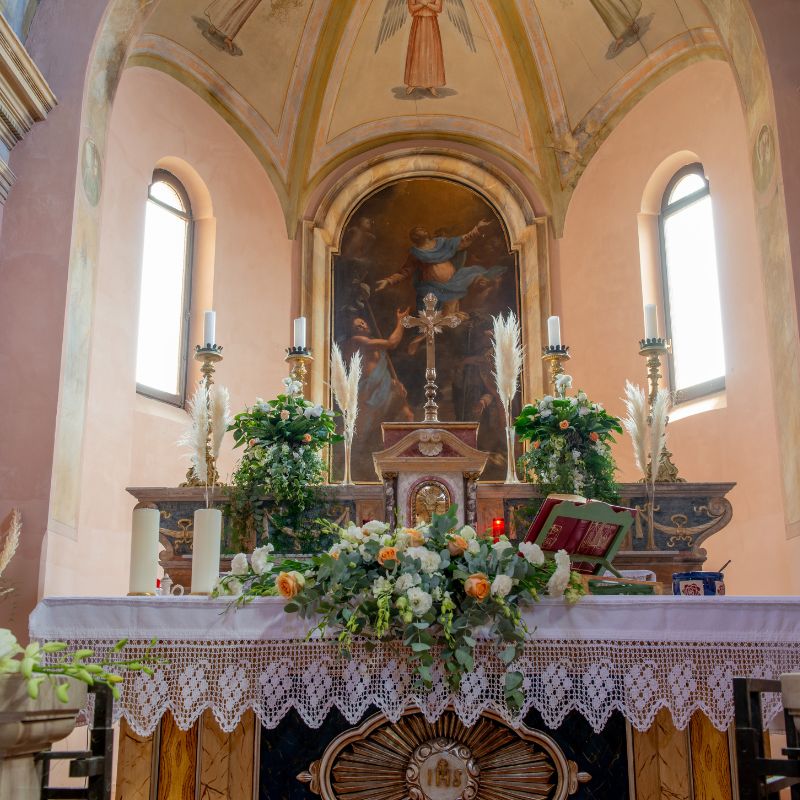
Decorating a church altar is a meaningful task that enhances the worship experience and reflects the spiritual significance of different liturgical seasons.
Altar decorations change with the liturgical calendar. Each season—such as Advent, Lent, Easter, and Ordinary Time—has its own set of colors and themes. Additionally, special occasions like weddings, baptisms, and feast days may require specific decorations to reflect their significance.
Altar decorations hold deep religious significance, symbolizing various aspects of faith and worship. Different colors and fabrics can convey messages of reverence, purity, and celebration.
For example, white symbolizes purity and is often used during significant feasts like Christmas and Easter, while purple represents penance and is used during Lent.
Materials and Supplies
Selecting the Right Fabric
Choosing the appropriate fabric is crucial for altar decoration. Commonly used fabrics include:
- Silk: Luxurious and reflective, ideal for significant celebrations.
- Linen: Durable and traditional, suitable for regular use.
- Brocade: Ornate and textured, perfect for high feast days.
Select colors based on liturgical guidelines—white for Easter, purple for Lent, green for Ordinary Time, etc.
Additional Supplies
Gather the following supplies:
- Scissors and measuring tape are used to cut and size fabric.
- Pins and clips to secure the cloth in place.
- Decorative elements like lace, embroidery, and fringe enhance the altar’s appearance.
Preparing the Altar
- Cleaning and Clearing the Altar
Start by ensuring the altar is clean and free from clutter. Wipe down the surface with a gentle cleaner to remove dust and dirt. This preparation step is essential for creating a neat and respectful display.
- Measuring and Planning
Measure the altar to determine the size of the fabric needed. Plan the layout and design of the cloth, considering how it will drape and any additional layers or decorations you intend to use.
Brady Shearer
Draping the Altar Cloth
- Base Cloth Layer
Begin by placing the base cloth on the altar. This layer should be large enough to cover the entire surface with some overhang. Smooth out any wrinkles and ensure they are correctly aligned. Secure the cloth with pins or clips to keep it in place.
- Overlay Cloth
Next, add an overlay cloth for contrast and depth. This cloth is typically smaller and can be placed centrally or draped artistically. Choose a complementary color and texture to enhance the visual appeal.
Securing the Cloth
- Using Pins and Clips
Use pins and clips to secure the cloth firmly. Place pins discreetly at the edges and corners to prevent the fabric from moving. Clips can be used for added security, especially in areas where the cloth might slip.
- Ensuring Safety
Ensure the cloth is positioned safely to avoid fire hazards, mainly if candles are used on the altar. Check the stability of the fabric to prevent slipping or falling during the service.
Adding Decorative Elements
- Embellishments and Accessories
Enhance the altar with lace, embroidery, or appliques. These can be added to the edges of the cloth or used to create focal points. Additional fabric pieces can be fashioned into bows or swags for a more elaborate design.
- Seasonal and Festive Touches
Incorporate seasonal and festive touches such as flowers, candles, or symbols relevant to the liturgical season. For example, during Christmas, add poinsettias and nativity scenes, while during Lent, opt for more subdued decorations.
Final Touches and Inspection
- Smoothing and Adjusting
Once all decorations are in place, ensure the fabric is smooth and evenly positioned. Make final adjustments for symmetry and alignment to create a harmonious and balanced appearance.
- Inspecting for Safety and Aesthetics
Conduct a final inspection to identify potential safety issues, such as loose fabric near candles. Evaluate the overall look and make necessary tweaks to ensure the altar is beautiful and secure.
By following these steps, you can create a meaningful and aesthetically pleasing altar that reflects the spiritual significance of the liturgical season.