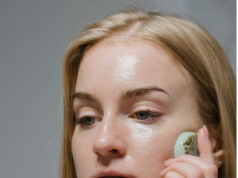


What Causes Excessive Sweating of the Head And Face
Sweating is a normal and necessary process that our body carries out to cool itself and counteract an excessive increase in temperature due to heat, physical effort, or emotionally stressful situations.
However, there is a limit beyond which sweating becomes excessive.
In these cases, the ‘abnormal’ sweating is called hyperhidrosis and can become challenging to manage.
A sweaty head and face can strain your self-esteem and undermine social relationships.
In short, it is a problem that should not be underestimated, and we will reveal the causes and possible remedies to you.
The Causes of Excessive Head and Facial Sweating
The hyperactivity of the sweat glands – about four million in the body – is the leading cause of hyperhidrosis.
In particular, there are two types of glands: eccrine ones, which produce odourless sweat and have the physiological function of regulating body temperature and eliminating toxins, and apocrine ones, which react to stimuli from the nervous system and hormones by producing sweat from pungent odour.
Excessive sweating of the face and head is linked, in particular, to the overstimulation of the eccrine glands, which produce sweat even when it is not necessary to cool the body. According to studies, the leading cause of hyperhidrosis is genetics, but excessive sweating can also be caused by:
- Pregnancy
- Menopause
- Severe stress or anxiety
- Abuse of alcohol or other substances
- Heart disease
- Diabetes
- Breathing problems
- Obesity
- Hyperthyroidism
- Medicines
- Peripheral nervous system problems
Scalp Problems Due to Hyperhidrosis
The accumulation of excess sweat on the scalp can cause persistent itching and an unpleasant sensation of a foul odour coming from the scalp, especially if you are not in the habit of washing your hair frequently. This is because sweat alters the hydro-lipid balance of the epidermis with consequent proliferation of external bacterial agents.
A further problem people affected by sweating of the scalp may encounter is greasy hair. This skin condition occurs because excess sebum is dissolved by sweat and becomes oily, making our hair greasy. For this reason, hyperhidrosis is often mistaken for seborrhea, even though, in reality, they are two different scalp problems.
How Not To Sweat On Your Face: Remedies for Hyperhidrosis
Preventing the body from sweating would not be healthy: as annoying as it may be, sweat has an important thermoregulation function. In case of excessive sweating, on the other hand, it is essential to find solutions that can alleviate the symptoms, perhaps by getting help from your doctor or pharmacist.
Antiperspirants, Remedies against Profuse Sweating
Before resorting to more invasive solutions, such as sub-dermal botulinum toxin injections, which paralyze the function of the sweat glands, it is best to turn to topical remedies. Among the most effective treatments for hyperhidrosis of the body are, undoubtedly, antiperspirant products such as aluminium chloride, which is especially suitable for counteracting excessive sweating in the armpits.
These products, available on the market in various formats, allow you to absorb humidity and gradually inhibit the activity of the sweat glands, thus regulating the production of sweat in the areas where they are applied.
How To Eliminate Sweat From The Head
Hyperhidrosis is a condition that often requires medical intervention and the prescription of a specific therapy based on antiperspirants, creams, and oral medications.
In particular, the therapy varies depending on whether it is primary hyperhidrosis or linked to secondary causes.
In the case of secondary hyperhidrosis, one of the most effective methods to counteract its consequences is to pay particular attention to hygiene.
Washing your skin and hair frequently is essential to avoid problems related to excessive sweating, such as foul odour, itching, and possible skin redness.
It is essential to use non-aggressive products, which help to rebalance the hydrolipidic film of the scalp, which is already compromised.