

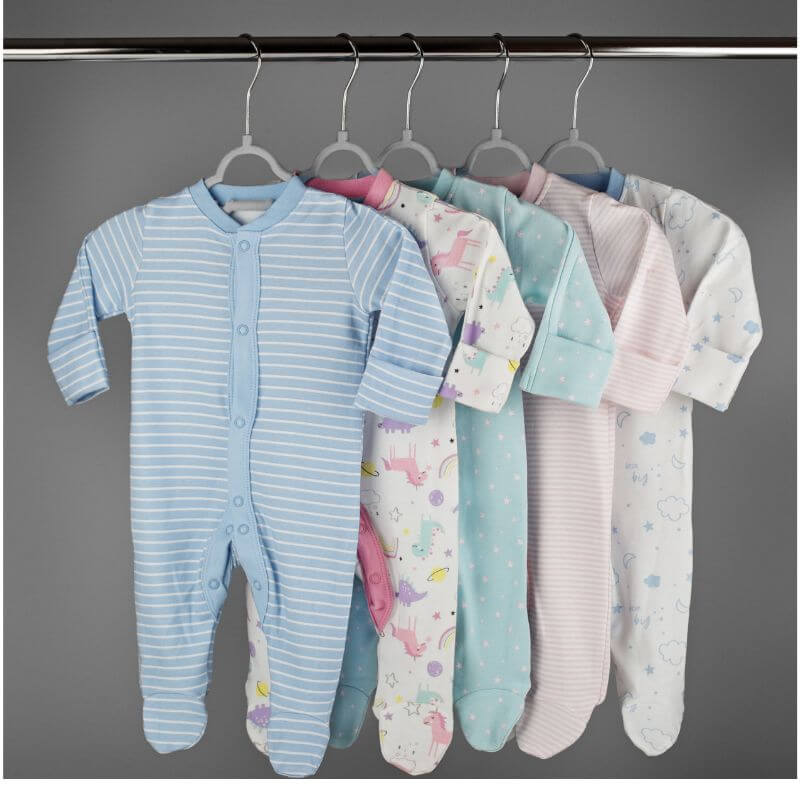
Sewing baby clothes can be a delightful and rewarding experience. Whether crafting a custom wardrobe for your little one or creating thoughtful handmade gifts, understanding the correct measurements is crucial for ensuring a perfect fit.
Before going into specific measurements, you must keep in mind that all children are different and must understand the key areas you will need to measure:
- Chest: Measure around the fullest part of the baby’s chest.
- Waist: Measure around the natural waistline.
- Hips: Measure around the fullest part of the hips.
- Height: Measure from the top of the head to the feet.
- Neck: Measure around the base of the neck.
- Arm Length: Measure from the shoulder to the wrist.
- Inseam: Measure from the crotch to the ankle.
Standard Measurements for Baby Clothes
Below are standard measurements for baby clothes, categorized by age group. These approximate measurements may vary slightly depending on the pattern and fabric used.
Newborn (0-3 Months)
- Chest: 16-17 inches (41-43 cm)
- Waist: 16-17 inches (41-43 cm)
- Hips: 17-18 inches (43-46 cm)
- Height: 20-23 inches (51-58 cm)
- Neck: 9-10 inches (23-25 cm)
- Arm Length: 6-7 inches (15-18 cm)
- Inseam: 6-8 inches (15-20 cm)
Infant (3-6 Months)
- Chest: 17-18 inches (43-46 cm)
- Waist: 17-18 inches (43-46 cm)
- Hips: 18-19 inches (46-48 cm)
- Height: 24-26 inches (61-66 cm)
- Neck: 10-11 inches (25-28 cm)
- Arm Length: 7-8 inches (18-20 cm)
- Inseam: 8-9 inches (20-23 cm)
Infant (6-9 Months)
- Chest: 18-19 inches (46-48 cm)
- Waist: 18-19 inches (46-48 cm)
- Hips: 19-20 inches (48-51 cm)
- Height: 27-28 inches (68-71 cm)
- Neck: 11-12 inches (28-30 cm)
- Arm Length: 8-9 inches (20-23 cm)
- Inseam: 9-10 inches (23-25 cm)
Baby (9-12 Months)
- Chest: 19-20 inches (48-51 cm)
- Waist: 19-20 inches (48-51 cm)
- Hips: 20-21 inches (51-53 cm)
- Height: 29-30 inches (73-76 cm)
- Neck: 12-13 inches (30-33 cm)
- Arm Length: 9-10 inches (23-25 cm)
- Inseam: 10-11 inches (25-28 cm)
Toddler (12-18 Months)
- Chest: 20-21 inches (51-53 cm)
- Waist: 20-21 inches (51-53 cm)
- Hips: 21-22 inches (53-56 cm)
- Height: 31-32 inches (79-81 cm)
- Neck: 13-14 inches (33-36 cm)
- Arm Length: 10-11 inches (25-28 cm)
- Inseam: 11-12 inches (28-30 cm)
Toddler (18-24 Months)
- Chest: 21-22 inches (53-56 cm)
- Waist: 21-22 inches (53-56 cm)
- Hips: 22-23 inches (56-58 cm)
- Height: 33-35 inches (84-89 cm)
- Neck: 14-15 inches (36-38 cm)
- Arm Length: 11-12 inches (28-30 cm)
- Inseam: 12-13 inches (30-33 cm)
Tips for Sewing Baby Clothes
- Choose the Right Fabric: Soft, breathable, and stretchable fabrics like cotton, jersey, and flannel are ideal for baby clothes. Ensure the fabric is gentle on the baby’s skin and easy to care for.
- Prewash Fabric: Always prewash the fabric to prevent shrinkage and remove any chemicals that might irritate the baby’s skin.
- Use Soft Seams: Opt for flat seams or a serger to create smooth, non-irritating seams. This ensures the baby’s comfort.
- Allow for Growth: Babies grow quickly, so consider adding extra room in the patterns to accommodate growth. Elastic waistbands and adjustable closures can also help.
- Safety First: Avoid using small buttons, beads, or any decorative items that could pose a choking hazard. Opt for snaps, zippers with guards, or Velcro.
- Easy Access: Design clothes with easy diaper access. Rompers with snap buttons along the legs or dresses with back openings can make diaper changes easier.
- Pattern Selection: Choose patterns designed specifically for babies. These patterns will have the appropriate ease and features for a comfortable fit.
Izuegbu Vivian
Step-by-Step Guide to Sew a Basic Baby Romper
Materials
- Soft cotton fabric
- Matching thread
- Snaps or buttons
- Sewing machine
- Scissors
- Measuring tape
- Baby romper pattern
Instructions
- Prepare the Fabric: Wash, dry, and iron the fabric to remove wrinkles.
- Cut the Fabric: Cut out the fabric pieces using the baby romper pattern. Ensure you follow the grainline and include seam allowances.
- Sew the Seams: Begin by sewing the shoulder seams, followed by the side seams. Use a serger or zigzag stitch to finish the raw edges.
- Attach the Sleeves: If the pattern includes sleeves, sew them onto the armholes. Finish the edges with a serger or zigzag stitch.
- Create the Neckline: Finish the neckline with a bias binding or a facing, following the pattern instructions.
- Add the Snaps/Buttons: Attach snaps or buttons along the crotch and leg openings for easy diaper changes.
- Finish the Hem: Hem the bottom of the romper and the sleeves, ensuring all edges are neatly finished.
Sewing baby clothes is a fun and rewarding activity that allows you to create one-of-a-kind and personalized outfits for the young ones in your life. Understanding standard measures and proper stitching techniques can provide a comfortable and flawless fit. Remember to use baby-friendly textiles, promote safety, and allow for growth. With this detailed instruction, you’ll be well on your way to creating attractive and functional baby clothes.