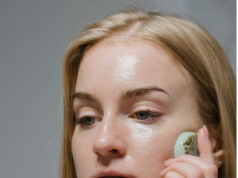


What is Atopic Dermatitis
Eczema, also known as atopic dermatitis, is an inflammatory and persistent skin ailment. It is distinguished by skin patches that are red, irritated, and inflamed. Although the disease can affect people of various ages, atopic dermatitis typically first manifests in childhood. Itching, scaly, dry skin, and occasionally seeping or crusting are typical symptoms.
Source: Mayo Clinic
Atopic dermatitis is thought to be caused by a confluence of immune system, environmental, and genetic factors, while the precise etiology is yet unknown. Changes in weather, stress, allergies, and irritants can all cause flare-ups.
Can Atopic Dermatitis be contagious?
Atopic dermatitis is not contagious, even if you have an active rash. But be aware that if your rash begins to leak, you might have an infection. If this happens, there’s a chance that physical contact with other people could transmit the virus.
Some of the causes of Atopic Dermatitis are;
-On the skin of some individuals, an excess of Staphylococcus aureus germs results in atopic dermatitis. This destroys the skin’s protective layer and drives away beneficial bacteria.
-Normally, the immune system aids the body’s defense against disease, germs, and viruses. Atopic dermatitis can result from the immune system being confused or overactive, which can cause skin irritation.
-Modifications to its protective layer may bring on moisture loss in the skin. This may result in dry skin, harming and irritating the skin.
-Genetics- A family history of atopic dermatitis increases the likelihood of acquiring the condition, indicating a potential genetic component.
Is atopic dermatitis itchy?
The primary symptom that comes with atopic dermatitis is itchiness. Other significant signs are dry patches on the skin, inflammation, rashes, swollen skin, crusting and raised bumps, etc.
Complications of Atopic Dermatitis
-Skin diseases
-Open sores and cracks can result from persistent scratching that tears the skin. These raise the possibility of contracting a virus or bacteria. These skin infections have the potential to spread and become fatal.
-Sleeping disorder
-Mental Health Conditions
-Asthma and Severe Fever
Ways to treat Atopic dermatitis
-Avoid picking at your skin. Instead of scratching itchy spots, try applying pressure and keep your nails clipped. If you have kids, you might wear gloves at night so they don’t itch as they sleep.
-Apply moisturizer to your skin twice a day, minimum. Moisture is sealed with creams, ointments, lotions, and shea butter. Select the product or products that are most effective for you. The ideal one for you will be odorless, inexpensive, safe, and efficient.
-The use of topical corticosteroids can be used to reduce redness and itching accompanied with other symptoms.
-Wear loose garments that won’t irritate your skin. Wearing loose clothing will prevent you from sweating and won’t chafe against your skin.
Although eczema isn’t cured, people can manage their condition and stop flare-ups with over-the-counter drugs, moisturizers, home remedies, and lifestyle modifications. However, if signs and symptoms persist, ensure to visit a Doctor.