
How to Clear Black Acne Marks on the Face
Acne is often accompanied by scarring and skin discolouration that can be debilitating for affected people. However, dark spots differ from scarring, even though they are both caused by acne. Acne dark spots occur because of post-inflammatory hyperpigmented lesions.
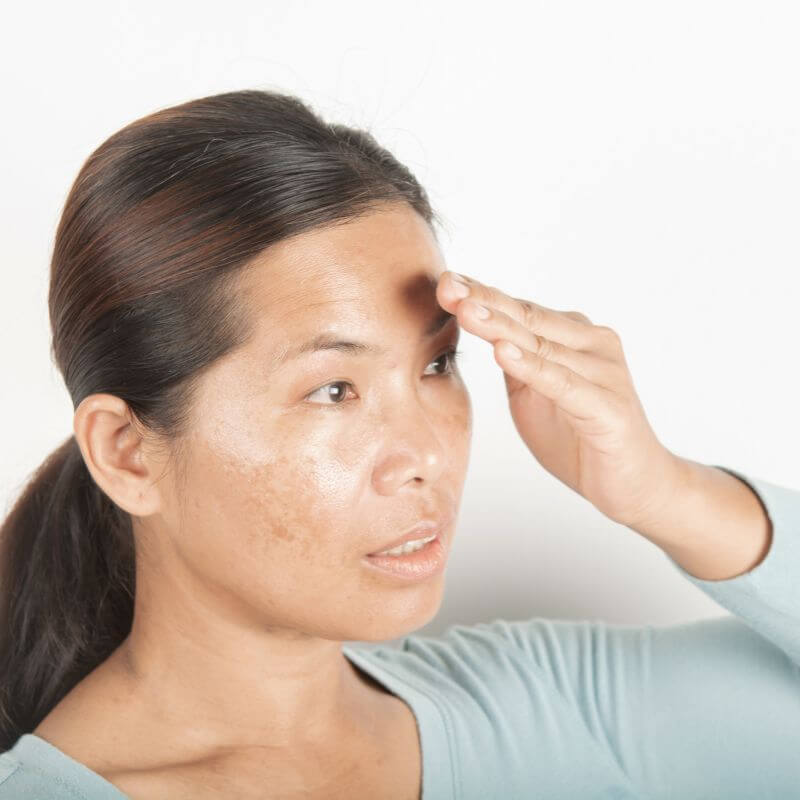
The cells in the infected area create more melanin (responsible for skin colour) over the inflamed area. The discolouration may be brown, tan, or dark brown spots. This affects all skin types but is more common with darker skin. In most cases, only moderate to severe acne will cause dark spots.
Acne scars, unlike spots, occur because there is a disruption in the surface structure of the skin. The disruption can be felt as a raised layer of skin or pits.
Scars, like spots, fade but will require treatment. Discolouration might not require treatment but will take 3-24 months to disappear without treatment.
Treating dark spots from acne is different from treating acne scars. Scars require tissue to be damaged or overgrown. Scars are difficult to remove entirely, and while they may fade over time, they usually remain visible.
Dark spots from acne, on the other hand, are flat against the surface of your skin. They don’t indicate long-term damage to your skin cells, pores, or follicles.
How to Clear Black Acne Marks on the Face
Treatment of Acne Dark Spots
The best way to get rid of dark acne spots is to prevent them from forming.
Early, appropriate treatment of your acne will limit its severity, decreasing the risk of developing symptoms that may lead to dark acne spots.
1. Wear sunscreen and minimize sun exposure
Use sunscreen with at least SPF 30 to prevent lesions from forming due to sun damage and to prevent the spots from further darkening.
2. Avoid picking your pimples
This worsens inflammation, causing hyperpigmented lesions and worsening the marks.
3. Use original cosmetics
Minimize cosmetic use, as they could clog pores and worsen acne. Use makeup that is oil-free and non-acnegenic.
4. Prescription creams
Creams containing ingredients like Hydroquinone or corticosteroids. Ingredients like Hydroquinone reduce the colour and severity of dark spots by decreasing the number of melanin-producing cells. It takes four weeks to start working, but full effects are not seen for a few months. Kojic and Azelaic acid are other notable mentions that reduce melanin production.
5. Chemical peels
It involves applying different chemicals to induce the peeling of damaged skin cells. This is a sensitive procedure and should only be done by a licensed professional. Other peels, such as glycolic acid or salicylic acid peels, are available.
6. Home remedies
Natural remedies like coconut oil, vitamin C, and aloe vera are usually lauded for their effects. Still, there is no evidence to back them up, but there is no harm in trying.
7. Blue-light photodynamic therapy
This is mainly used when other methods have failed. It is a harmless and majorly safe procedure that a professional should do.