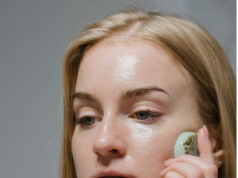


Do you suspect you could be suffering from sensitive skin? Sensitive skin is an ordinary problem that makes your skin tight, itchy, or easily irritated.
Learning to tell if your skin is sensitive will help you fit your daily routine to suit your skin’s needs. This article covers knowing if your skin is sensitive by examining symptoms, causes, and tips for relief.
What are the Symptoms of Sensitive Skin?
Patients with this particular disorder have extreme reactions to their surroundings, cosmetics they use, and other factors. Common sensitive skin symptoms include:
- Redness
- A feeling of tightness or stinging
- Increased dryness
- Acne, rashes, or eczema flare-ups
- Itchiness and inflammation
Frequent uncomfortable or distressed feelings in the skin may mean it is too sensitive. Please take note of when and where these reactions occur to know what triggers them.
What Skin is Considered Sensitive?
Sensitive skin can occur in any skin type. However, persistent irritation and inflammation denote a certain degree of sensitivity. Most often, those with fairer complexion develop increased sensitivity as opposed to normal pigmentation.
Asian or African descendants have more layers on their skins, plus melanin that naturally protects their tissues compared to other ethnicities. In fact, all complexions can become sensitive because of genetic makeup, illnesses, or environmental factors.
Always consult a dermatologist if you are unsure whether your skin is sensitive. Self-diagnosis will lead to the use of the wrong products, which will worsen your skin problems.
You can understand your face’s sensitivity level by using the different assessment techniques that experts employ to determine its condition.
What Does Hypersensitive Skin Look Like?
Hypersensitivity is a severe form of sensitive skin with low sensory thresholds and fierce adverse reactions. Hypersensitive skin comes along with several symptoms, such as:
- Severe redness
- Acute dryness and peeling
- Cracking rashes or eczema
- Pain, stinging, and burning sensations
- Hives or swelling if allergies present
If there are conditions like atopic dermatitis, rosacea, or psoriasis, hypersensitive skin is likely present.
They encounter unpleasant effects from any product, fabric, weather, or touch they come into contact with. Working with a dermatologist to pinpoint triggers and treat hypersensitivity is crucial.
Tips for Dealing with Sensitive Skin
If your skin remains chronically sensitive, establish gentle skincare routines for it. Here are some recommendations:
1. Do away with Fragrances and Dyes: Look for “fragrance-free” and “dye-free” labels on facial products to avoid breakouts.
2. Keep Your Skin Protected from Elements: Apply sunscreen SPF 30+ even when you are indoors; dress up to cover against extreme weather patterns.
3. Cleanse softly with Lukewarm Water: Use lukewarm temperature instead of hot water for washing sensitive skin, then manage to rub dry.
4. Concentrate on Gentle Skin Care Ingredients: Aloe vera, chamomile, oatmeal, and green tea are some of the ingredients that can be used in skincare products. Alcohols, acids, and abrasives should be avoided.
5. Seek a dermatologist to help if your symptoms persist: A dermatologist will evaluate your sensitivities and make treatment plans if non-prescription options fail to help.
To keep comfortable, sensitive skin requires gentle but careful attention. Paying attention to the signals from your skin makes it easier to adjust your lifestyle and skincare routine accordingly.
Meet with a dermatologist if sensitivity interferes with daily life for professional insight. With some trial and error, you can find an approach that caters to your skin’s needs.
Frequently Asked Questions About Sensitive Skin
How do I know if I have sensitive skin?
Seeing a dermatologist helps officially confirm sensitive skin through assessment techniques. At home, track symptoms in a skincare journal connected to products used or environments exposed to. Recurring reactions indicate sensitivity.
What ingredients should not be used on sensitive skin?
Avoid drying alcohols, exfoliants like AHAs, heavily scented products, dyes, and common irritants like witch hazel or peppermint; entirely natural alternatives could still contain plant-derived ingredients that trigger sensitivity for some people.
Can sensitive skin worsen over time?
Yes, sensitive skin can worsen if not properly cared for. Using abrasive actives, ignoring reactions, and not protecting skin from environments can damage the skin's moisture barrier. A weakened moisture barrier heightens sensitivity.
Does sensitive skin eventually become less sensitive?
With age, skin produces less oil and collagen, causing increased sensitivity. A proper skincare routine catered to your skin prevents worsening sensitivity. However, some chronic skin conditions inherently make skin more sensitive over time.