

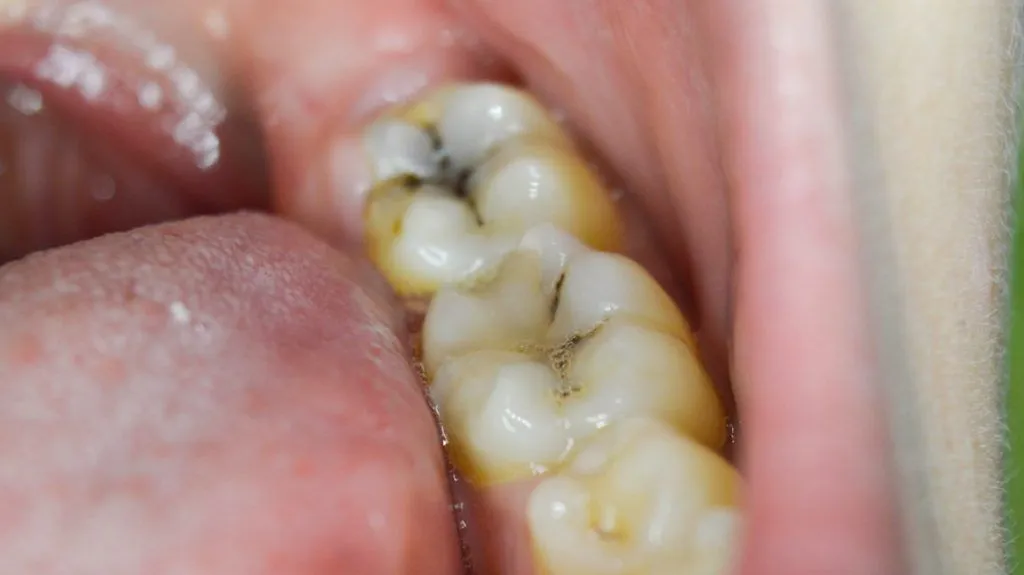
A dental cavity, also known as tooth decay or caries, develops when a portion of your tooth decays. Depending on their location, the quantity of acid exposure, and the quality and thickness of the tooth enamel, cavities can occur quickly or slowly over time.
Whether you have a cavity, you may be wondering whether it has to be treated immediately now, whether it will worsen, if it will stagnate, or if it may even alleviate the disease. Do not worry; there are a few things you can do to help lessen issues and even partially reverse enamel loss!
How to Stop a Cavity from Getting Worse
1. Brush Your Teeth Gently
Brushing is critical for keeping your cavities from worsening. Brushing will also aid in preventing the growth of new cavities. As you brush, focus on the cavities to remove any residual food particles from your snack or meal. This thorough brushing may slow the growth of the cavity.
2. Avoid Sweets and Drink Water
Did you know that keeping your mouth moist is one of the finest things you can do for your dental health?
That is correct! Minerals in saliva (such as calcium) are an undiscovered weapon against sugar bugs. A dry mouth actually encourages bacterium growth, and staying hydrated prevents germs from accumulating more acid around your cavities. Isn’t it awesome?
Sugary meals, such as sweets or fruit juice, should also be avoided. Sweet snacks may create cavities, but they can also aggravate them. Healthy teeth begin with what you eat!
3. Fluoride treatment will slow the development of the cavity
Fluoride can really prevent germs from growing in the mouth. Fluoride strengthens teeth by remineralizing the enamel. Cavity resistance is increased when teeth are strengthened. In rare circumstances, detecting a cavity early on and giving fluoride therapy can reverse the decay. Speak with your dentist about fluoride treatments to learn more about this method of cavity prevention.
4. Try an Alcohol-Free Rinse
Another simple technique to prevent cavities is to rinse your mouth with an alcohol-free mouthwash or just a saltwater mouth rinse. Saltwater is an antiseptic that destroys germs. Mouthwashes can help prevent the growth of germs, and those containing fluoride can even help lower the chance of tooth decay.
5. Saltwater Rinses Could Be Helpful
Antiseptic qualities are found in saltwater. When there is a wound or illness in the mouth, oral health practitioners frequently advise patients to use salt water. Saltwater can even kill germs that cause cavities to develop. If you swish with salt water as soon as you discover you have a cavity, it may help to halt its growth.
6. Visit your dentist on a regular basis.
Another critical aspect of cavity prevention is regular dental visits. Your dentist may evaluate your teeth for symptoms of decay or damage and advise you on how to maintain your teeth healthy. They may also propose fluoride treatments or sealants to help prevent your teeth from cavities.
Conclusion
Cavities are a frequent and avoidable dental condition. You can mitigate the risk of cavities and prevent them from growing worse by practicing proper dental hygiene, avoiding sugary foods and drinks, and seeing your dentist on a regular basis.
https://youtu.be/CH3JV8lVJSQ?si=5I0iAgpxwz_28SDE