

Honey is a sweet, viscous liquid produced by several bees, the most well-known of which are honey bees. Honey is produced and stored to support bee colonies. Honey has various medicinal effects, including healing infections, controlling metabolic syndrome, avoiding arterial hardening, and so on.
Honey is naturally formed by the combination of enzyme activity, plant matter, and live bacteria, resulting in a potent component with hundreds of applications.
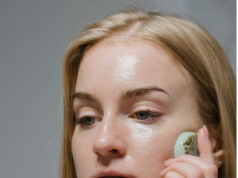
Honey’s unique production method makes it particularly helpful for skin care uses such as acne treatment, scar healing, and skin tone evenness. Raw, unpasteurized honey is the most suitable for topical application to the skin.
Source: Natural Health Remedies
Honey has been renowned for millennia for its amazing therapeutic powers and, more recently, for its remarkable skincare advantages.
If you have never considered using honey in your skincare routine, you should. Here is why:
- Honey has a powerful anti-inflammatory impact when applied topically, making it effective for a wide range of inflammatory skin disorders such as eczema, psoriasis, and atopic dermatitis.
- Honey’s high antimicrobial, antibacterial, and antifungal qualities make it effective in fighting skin infections.
- Manuka honey’s unique ability to aid healing and cellular regeneration makes it a popular choice among medical professionals for wound and burn treatment. Honey is also a great treatment for chapped and cracked lips.
- Honey is a natural humectant and moisturizer. It absorbs moisture deep into the skin, making it effective for dry skin and anti-ageing.
- Honey includes amino acids, antioxidants, vitamins, and minerals that help combat free radicals and improve skin health.
- Raw honey is also a natural exfoliant, so using it on your face removes dry, dull skin and reveals fresh skin cells beneath.
How to Use Honey
As a Face Mask
One technique to put honey on your face is to combine it with other ingredients to create a relaxing face mask. Before proceeding, perform a patch test on the honey and any other substances to guarantee that you will not experience an allergic response.
A blend of raw honey and cinnamon is an excellent antioxidant and antibacterial agent.
Combine three parts honey and one part freshly ground or pure cinnamon (“true” cinnamon), and cook the mixture slightly in the microwave.
Apply the mixture to your skin and keep it on for 8-10 minutes. Rinse well with warm water and pat your skin dry. Do not use it if you are allergic to cinnamon.
As a Scar Remover
Honey aids in your body’s healing process, which may help erase acne scars. Honey can be used as a scar treatment by applying it as a paste to the scarring region every day or every other day.
Although there is no scientific evidence that honey helps treat scars. According to some, combining honey, baking soda, and fresh lemon juice may help to reduce the look of certain scars. It helps to brighten the overall tone of one’s complexion when applied all over the face or neck area.
Combine equal parts raw honey and baking soda.
Lemon juice and other citric ingredients can also help to brighten the look of dark spots and scars. So adding a few drops may be beneficial, but be careful not to apply too many and irritate your skin, especially if it is already sensitive.
Two teaspoons honey, 1/4 teaspoon fine sea salt, and 1 teaspoon turmeric. Blend until you get a thick paste. Apply solely to the affected area and leave overnight. Wash your face as usual.
As a Lightening and Brightening Substance
Honey has exfoliating capabilities, so putting it on your face can help remove dead skin cells that make your skin appear dull. This can result in brighter skin.
After cleansing your skin with soap and water:
- Add manuka honey or any unpasteurized, raw honey.
- If you like, dilute the honey with filtered water to make it less sticky and easier to remove.
- Leave the honey on your skin for a few minutes before rinsing.
As a Wound Treating Agent
Honey has antioxidants, antibacterials, and anti-inflammatory effects. It can be applied as a wound dressing to promote faster and better healing. These effects are caused by honey’s antibacterial action, which is a result of its high acidity, osmotic effect, antioxidant content, and hydrogen peroxide concentration. It should be noted that wound-care specialists utilize medical-grade honey to treat chronic wounds and other injuries.
Here are some general application tips for using honey on wounds at home.
- Always begin with sterilized hands and applicators, including cotton tips and sterile gauze.
- Before applying the dressing to the skin, mix the honey into it. This lessens the messiness of applying honey directly onto the skin. Alternatively, you can buy dressings that have been infused with honey.
- Lay a dry and clean dressing on top of the honey. An adhesive bandage or sterile gauze pads can be used for this. Honey is best served with an occlusive dressing as it prevents the honey from leaking.
- When the dressing becomes saturated with wound drainage, replace it. You should notice a decrease in the frequency of dressing changes as the honey begins to cure the wound.
Before applying honey to a wound, it is crucial to consult a physician to determine if it is a suitable treatment.
To reap the greatest benefits from honey, choose raw, unprocessed honey; processed honey loses some of its natural enzymes, vitamins, and antioxidants. Adding honey to your daily routine naturally improves the health of your skin, so it is a must-have for any skincare routine.