

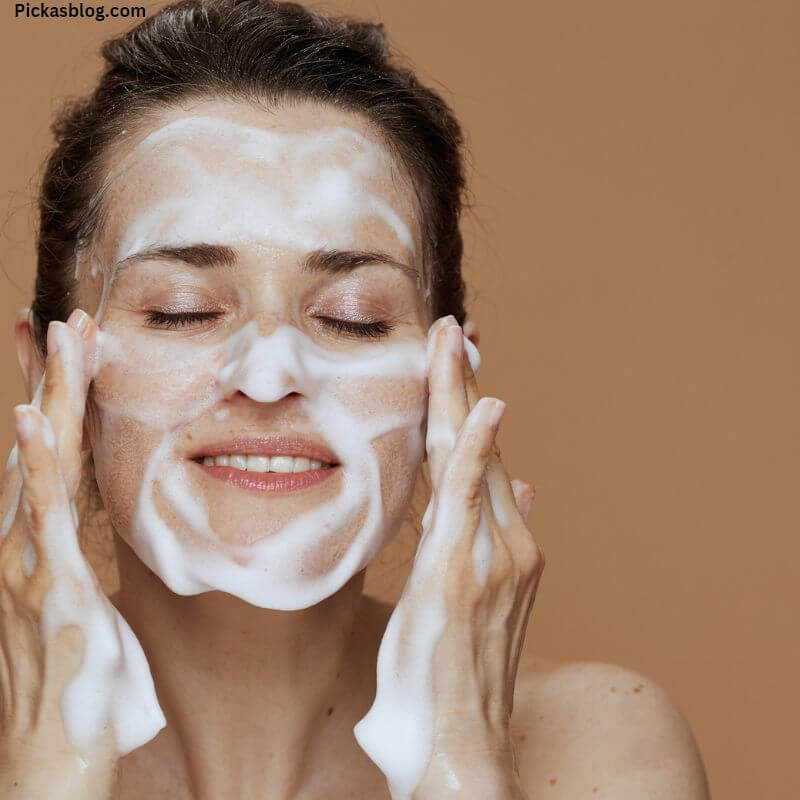
Difference Between Face Wash and Face Cleanser
At first glance, face wash and face cleanser might seem like twins separated at birth. Both are designed to rid your skin of dirt, oil, and impurities. However, the difference is in the details; in this case, those details can significantly impact your skin’s health and appearance.
Face Wash
It’s typically formulated with more potent surfactants, which help water interact with oils and dirt so they can be rinsed away. Face washes often have a gel or foaming texture, creating that satisfying lather we associate with getting squeaky clean. They’re particularly good at:
- Removing excess oil and sebum
- Unclogging pores and preventing acne
- Exfoliating dead skin cells (especially if they contain ingredients like salicylic acid or glycolic acid)
Face Cleanser
They tend to have a creamier, lotion-like consistency and focus on maintaining the skin’s natural moisture barrier. Cleansers are formulated to:
- Remove makeup and surface-level impurities
- Hydrate and soothe the skin
- Balance pH levels without stripping natural oils
The Texture Test
One of the most noticeable differences between face wash and face cleanser is texture. Face washes often create a foamy lather, which can feel invigorating and give the impression of a deeper clean. However, this doesn’t always equate to better cleansing. Too much foam can sometimes signal harsh detergents that disrupt your skin’s delicate balance.
Face cleansers, with their milky or creamy textures, may not provide the same sensory experience, but they can be just as effective—if not more so—at dissolving makeup and grime. The key is in their emollient ingredients, which help to lift away impurities while leaving skin soft and supple.
Ingredients
When discussing the difference between face wash and face cleanser, ingredients play a starring role. Face washes may contain:
- Benzoyl peroxide or salicylic acid for acne-prone skin
- Alpha-hydroxy acids (AHAs) like glycolic or lactic acid for exfoliation
- Tea tree oil or neem for their antibacterial properties
In contrast, face cleansers often boast:
- Hyaluronic acid or glycerin for hydration
- Ceramides to reinforce the skin barrier
- Aloe vera or chamomile to calm and soothe
How to Choose which is Best for your Skin Type
- Oily or Acne-Prone Skin: A face wash can help control oil and keep breakouts at bay.
- Dry or Sensitive Skin: A gentle face cleanser will cleanse without causing irritation or tightness.
- Combination Skin: You might benefit by targeting different areas or alternating based on your skin’s needs.
How to Double Cleanse with the Two
In the spirit of “why choose?” some skincare fans have adopted the double cleanse method. This involves using an oil-based cleanser to remove makeup and sunscreen and a water-based face wash to deep clean pores. It’s a harmonious approach that leverages the strengths of both products.
How to Use Each Product
Using your chosen product can be as important as what’s inside. With face washes, the key is to work up a lather and massage it into the skin using circular motions, then rinse thoroughly. For cleansers, especially balms or oils, take the time to melt away makeup before emulsifying it with water and wiping it clean.
However, regardless of which you choose, never skip the moisturizer. Even oily skin needs hydration, and balancing cleansing with moisturizing is crucial for a healthy complexion.
Conclusion
Face washes offer a deeper clean and are great for oily, acne-prone skin, while cleansers provide a gentler option that maintains moisture—ideal for dry or sensitive types.
Listen to your skin, pay attention to how it reacts, and don’t be afraid to adjust your routine as needed. After all, the best skincare product is the one that leaves your face feeling fresh, comfortable, and ready to face the world.
FAQs:
Q: Can I use face wash and face cleanser interchangeably?
A: While both clean your skin, they’re formulated differently. Choosing based on your skin type and concerns is best for optimal results.
Q: How often should I use a face wash or cleanser?
A: Generally, cleansing twice daily—morning and night—is recommended. However, those with very dry or sensitive skin might prefer once daily.
Q: Is it necessary to double cleanse every day?
A: Not always. Double cleansing is most beneficial when you wear heavy makeup sunscreen or are exposed to significant pollution.
Q: Can using the wrong product damage my skin?
A: Yes, using a product that’s too harsh or not moisturizing enough can lead to dryness, irritation, or even breakouts. It’s essential to choose products suited to your skin type.