

Causes of Pimples on Face in Adults
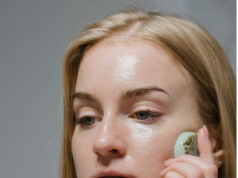
Pimples in adults are more common than you might think. It is easy to associate this problem with adolescence or puberty, but it can also present itself after the age of 25. If you have pimples and don’t know why, read on to learn more about them and their causes in adulthood.
What is Acne in Adults (late-onset Acne)?
Late-onset Acne (also known as acne tarda), like puberty acne, develops with microcomedones, i.e., precursors to comedones (blackheads). Inflammatory papules and pustules can also develop.
The skin with acne tarda tends to be drier and is more likely to form pimples and inflammations than blackheads, especially in the lower half of the face.
At the same time, seborrhoea (overproduction of sebum) and hyperkeratosis (excessive keratinization) lead to clogged pores and comedones. Bacterial colonization triggers inflammatory processes, causing more pimples and blemishes.
What Causes Pimples in Adults?
Because Acne is associated with adolescence, it’s easy to assume that it’s not a problem for adults, but that’s not the case for many people in their twenties. There are twenty-year-olds, thirty-year-olds, forty-year-olds, and even fifty-year-olds with pimples. Clogged pores are always the main culprit of Acne in adults, but some factors can have a bigger impact.
Hormonal Imbalance
Impure skin when you’re over 25? That could be due to hormones. Yes, it can. Hormonal levels don’t just change once during puberty but throughout your life. Women, in particular, experience a significant change in hormonal development: the onset of menstruation and later the taking of the contraceptive pill. Over time, the body gets used to the medication and stabilizes hormone levels.
However, as soon as the pill is stopped in adulthood, there is a sudden excess of male hormones (androgens), which stimulate the sebaceous glands, among other things—the result: oily skin and the associated problems, such as blackheads, pimples, and Acne. The following significant change is menopause because it also enormously influences the female body and its hormonal levels.
Stress
Stress is another common factor in the onset of Acne in adulthood and has been proven to affect how your skin looks and feels. While stress will never be the ultimate cause of a breakout, when we feel overloaded, we are more likely to release hormones that increase sebum production and thus start or aggravate the acne cycle.
It’s not so apparent that your emotions have a direct effect on Acne, but if you suffer from breakouts, it can help to keep a diary of when pimples appear and how you feel that day. This way, you can track any correlation between your feelings and your skin’s behavior.
Bad Skin Condition During Menstruation
About a week before the period starts, almost half of all women notice an increase in oil production from their sebaceous glands, which results in pimples.
Taking the contraceptive pill helps against this hormonal-related adult acne because it contains estrogen and progestin. These regulate the menstrual cycle, reduce the activity of the androgenic hormones, and thus prevent Acne from breaking out.
Excessive Skincare
Anyone who notices red spots around the nose or mouth might suspect that the blemishes are caused by a lack of care – and take even more care. Too frequent and intensive care can disrupt the skin’s protective acid mantle to such an extent that it is almost completely lost. The result is extremely dry and irritated skin with inflamed spots, blisters, and flaking. In some circumstances, this type of perioral dermatitis can also cause the spots—a vicious circle of care, overreaction, and even more care. If you suspect perioral dermatitis, be sure to consult a dermatologist.
Poor Diet
Unfortunately, nutrition is often neglected regarding Acne, as many people think skin imperfections are a purely hygienic problem. Far from it: A healthy and balanced diet can significantly improve the skin’s condition. Foods with a high glycemic index, such as cornflakes, white bread, and honey, promote inflammation and hurt our skin. Dairy products are also suspected of increasing inflammation levels in the body due to the animal proteins they contain.
Acne Treatment in Adults
Specific acne medications are designed for juvenile Acne, making them less effective in adults. A dermatologist should treat Acne, considering the causes that must be treated. It is important to note that the grains should not be burst and emptied.
There are numerous treatment options:
- Medications with retinol (vitamin A) release the follicles and keep the skin clean.
- Oral antibiotics that, in addition to fighting infection, act as anti-inflammatories.
- Combination of creams with benzoyl peroxide and antibiotics.
- Oral contraceptives to regulate hormonal balance in women.
- Laser treatments.
- Cleanse the skin with glycolic acid and salicylic acid to regulate excess oil.
- Sulfur, which acts as a bactericide and reduces inflammation.
- Purifying treatments.
- Sun exposure.
Finally, to avoid the appearance of Acne in adults, you must use extreme facial hygiene, stop smoking, and have a healthy diet.