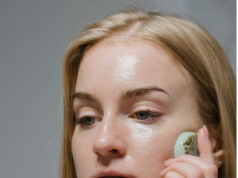


Becoming a new mother is filled with joy, excitement, and many changes within the body. As magical as breastfeeding can be, some mothers discover dry skin as an unexpected side effect.
With hormone fluctuations, lack of sleep, and adjusting to a new standard, dry facial skin joins the mix. It is a common complaint even for mothers who have never experienced dryness.
What Causes Breastfeeding-Related Dry Facial Skin?
There are a few reasons breastfeeding might lead to drier or flaky facial skin for some women:
Hormone Changes
During pregnancy and breastfeeding, women experience a surge in hormones like prolactin and oxytocin, which aid in milk production. However, these hormones can also decrease the amount of moisture-retaining oils your sebaceous glands produce – leading to dryness. Estrogen levels also fall after birth, which does not help skin hydration.
Nutrient Deficiency
Creating breast milk draws extra fluids, vitamins, and nutrients from the mom’s body to pass along to the baby. Some new moms can become mildly deficient in skin-loving vitamins like vitamins A, C, D, E, and B, which help cells regenerate and retain moisture.
Dehydration
Breastfeeding demands can leave moms feeling parched no matter how much they drink. When the body craves extra fluids for milk production, it may divert moisture away from less essential areas like the skin cells – exacerbating dryness issues.
Lack of Sleep
Many breastfeeding women do not get enough sleep between night feedings, soothing a fussy baby, and adjusting to mom life. Lack of quality sleep deprives the skin of time to fully repair and rehydrate itself on a cellular level.
Signs of Facial Skin Dryness
- Flakiness, peeling, rough areas
- Tight, itchy feeling
- Irritation, redness
- Increased fine lines/wrinkles
Noticing these changes prompts many mothers to worry needlessly about permanent skin damage or premature aging. However, topical skincare and paying attention to hydration and rest do wonders to get back on track. A deeper awareness of why breastfeeding triggers dryness provides ease in resolving it.
Tips to Replenish Facial Skin
While breastfeeding-related skin dryness is usually temporary, it can feel uncomfortable and unappealing. Try these tips to ease the tightness and flaking:
Cleanse/Moisturize
Use gentle, nourishing cleansers without sulfates or fragrances. As soon as possible post-cleansing, replenish moisture via rich creams, oils, or hydrating serums morning and evening. Opt for hydration with ceramides, glycerin, and hyaluronic acid.
Boost Lipids
Facial oils high in omegas, fatty acids, and phospholipids add lipids that improve hydration and skin barrier function. Consider rosehip, marula, coconut, jojoba, olive, and almond oils. Apply a few drops before bed.
Hydrate From Inside
Drink adequate liquids like water, herbal tea, and broth. Eating juicy fruits/veggies further supports getting moisture to all cells. Soup broths replenish electrolytes lost from milk production.
Soothing Treatments
Apply hydrating sheet masks or overnight treatments to maximize saturation. Hydrating ingredients like honey, snail mucin, and aloe provide soothing relief.
Address Climate
Adjust the thermostat and utilize humidifiers. Frequently splash your face with lukewarm water. Seek shade outdoors, and use broad spectrum SPF 30+.
Get Rest
Easier said than done with a new baby! However, essential for allowing moisture barriers to be restored.
Be Patient
It takes skin time to regain equilibrium as breastfeeding adjustments ripple through the body. Consistency with a supportive regimen enhances noticeable improvement.
When To Seek Help
While minor dryness or flaking is typical during breastfeeding, seek medical advice if:
- Extreme cracking, redness, scaling, or itching develops
- Symptoms do not improve after 8 weeks
- Changes accompany the rash, swelling, pain, heat, or infection
Breastfeeding-related dry facial skin is frustrating but thankfully temporary. With knowledge of the internal processes, mothers can better troubleshoot causes, remain patient, and utilize topical skincare to see a turnaround in skin hydration and smoothness.
Supportive practices eventually allow the skin to glow again, like the magical feeling of providing vital nourishment to the baby.
Disclaimer: The information in this article is provided for general educational purposes only and is not intended to be used as medical advice. Consult your doctor or dermatologist for tailored advice if you have any questions or concerns concerning breastfeeding-related skin issues. The author and publisher expressly disclaim any responsibility for any reliance on this informational content.