

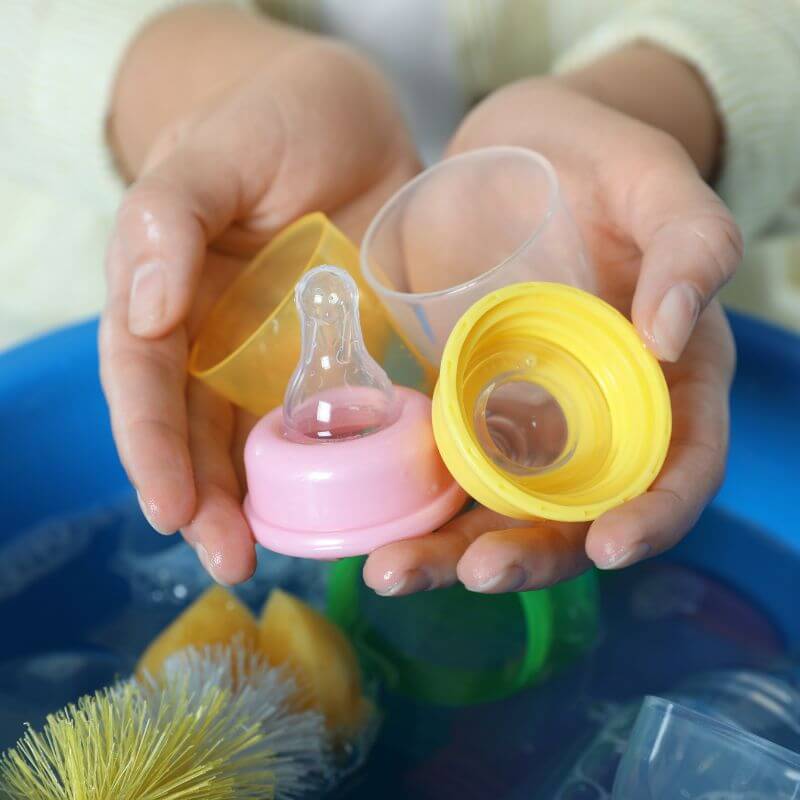
Different Types of Nipples for Baby Bottles
Choosing the right baby bottle nipple ensures your baby’s comfort and proper feeding.
With so many options available, deciding which type is best for your baby can be overwhelming.
Why Is the Right Nipple Important?
The nipple you choose for your baby bottle can impact your baby’s feeding experience.
The right nipple should mimic the mother’s breast, promote proper latching, and control the milk flow to prevent choking or frustration.
A good nipple can also help reduce issues like gas, colic, and nipple confusion, especially if you are combining breastfeeding with bottle feeding.
Source: @FirstCryParenting
What Are Baby Bottle Nipples Made Of?
Baby bottle nipples are typically made from two primary materials:
Silicone:
- Pros: Silicone nipples are the most popular choice due to their durability, flexibility, and ease of cleaning. They are also odorless, tasteless, and free from harmful chemicals like BPA (Bisphenol A).
- Cons: They can be slightly more expensive than latex and are not as soft.
Latex:
- Pros: Latex nipples are softer and more flexible than silicone, which can be more comfortable for some babies, especially newborns used to the mother’s soft breast tissue.
- Cons: Latex is less durable, can develop a rubbery smell over time, and may cause allergic reactions in some babies.
Shapes and Designs: Finding the Best Fit
Baby bottle nipples come in various shapes and designs to accommodate different feeding needs and preferences:
- Standard Nipples: These nipples are round and resemble the traditional shape of a bottle nipple.
This is suitable for babies who are exclusively bottle-fed or who don’t have difficulty switching between breast and bottle.
They are straightforward to clean, making them a go-to choice for many parents.
2. Orthodontic Nipples: Orthodontic nipples have a flattened bottom and a broader base, designed to promote proper oral development by encouraging the baby to use their tongue and jaw muscles.
This is best for babies with orthodontic concerns or parents focused on dental health from an early age.
These nipples mimic the natural shape of the mother’s nipple during breastfeeding, which can help reduce nipple confusion.
3. Wide-Neck Nipples: These nipples have a broader base and are typically shorter, designed to mimic the shape of a breast more closely.
Babies transitioning between breastfeeding and bottle feeding would enjoy this more, as the shape is closer to the mother’s breast.
The broader base encourages a more natural latch, which can help reduce nipple confusion.
4. Vented or Anti-Colic Nipples: These nipples can come in various shapes but are specially designed with a venting system to reduce the air your baby ingests during feeding.
This is suitable for babies prone to gas, colic, or reflux.
The venting system prevents the formation of a vacuum inside the bottle, reducing the risk of your baby swallowing air.
5. Variable Flow Nipples: Variable flow nipples usually have a Y-shaped or cross-cut opening that adjusts the flow of milk depending on how hard your baby sucks.
This is suitable for babies transitioning from slower to faster milk flow or needing different flow rates during the same feeding session.
These nipples are versatile and can adapt to your baby’s needs, reducing the need to switch between different flow rates.
6. Nipple Shields: Nipple shields are thin silicone covers that fit over the mother’s nipple and are used during breastfeeding rather than bottle feeding.
This is a good option for babies who have difficulty latching directly onto the breast or for mothers with sore nipples.
They help with latch issues but should be used under the guidance of a lactation consultant.
Flow Rates: Understanding the Speed of Milk Flow
The flow rate of a nipple refers to how quickly milk or formula comes out when your baby sucks.
Nipples come with different flow rates to match your baby’s age and feeding ability:
- Slow Flow (Newborn): Designed for newborns, these nipples release milk slowly to match a newborn’s sucking speed and prevent overwhelming them.
- Best For: Babies 0-3 months old or transitioning from breastfeeding.
Medium Flow (Infant): Suitable for babies around 3-6 months old, ready for a slightly faster milk flow.
- Best For: Babies who are more experienced with bottle feeding but still need a controlled flow.
Fast Flow (Older Babies): These nipples are designed for babies 6 months and older who can handle a faster milk flow and need more milk to satisfy their hunger.
- Best For: Babies who are eating solid foods or who are becoming more efficient at bottle feeding.
Variable Flow: As mentioned earlier, these nipples adjust the flow rate based on how hard your baby sucks, making them versatile for different feeding stages.
- Best For: Babies with varying feeding needs may require different flow rates in the same feeding session.
Special Considerations: What Else Should You Keep in Mind?
When choosing a baby bottle nipple, consider the following additional factors:
- If you are breastfeeding and bottle-feeding, choose a nipple that closely mimics the breast to reduce the risk of nipple confusion, where the baby may struggle to switch between breast and bottle.
- Some nipples are easier to clean than others. Ensure the nipple can be easily sterilized, especially in the early months when your baby’s immune system is still developing.
- Latex nipples may need to be replaced more frequently than silicone due to wear and tear. Consider how often you’ll need to replace the nipples based on the material.
- Be aware of potential allergies, such as latex allergies, and choose a safe material for your baby.
- Ensure the nipple you choose is compatible with the bottles you have. Some brands have specific nipple designs that only fit their bottles.
How to Choose the Right Nipple for Your Baby
Choosing the right nipple for your baby can be a process of trial and error, but here are some tips to help you make the best choice:
- Watch how your baby reacts to different nipples. If they seem frustrated, gassy, or have difficulty latching, you may need to try a different type or flow rate.
- Begin with a slow-flow nipple and gradually increase the flow rate as your baby grows and becomes more adept at feeding.
- If you’re unsure which nipple is best or if your baby has trouble feeding, consult a healthcare professional for personalized advice.
- Don’t be afraid to try different nipple shapes and materials to see which one your baby prefers. Every baby is different, and what works for one may not work for another.
Conclusion
Choosing the right nipple for your baby’s bottle is essential for a positive feeding experience.
By understanding the different types of nipples, their materials, shapes, and flow rates, you can find the one that best suits your baby’s needs.
Remember, it’s okay to experiment with different options until you find the perfect fit.
With the right nipple, feeding time can be a comfortable and enjoyable experience for you and your baby.