

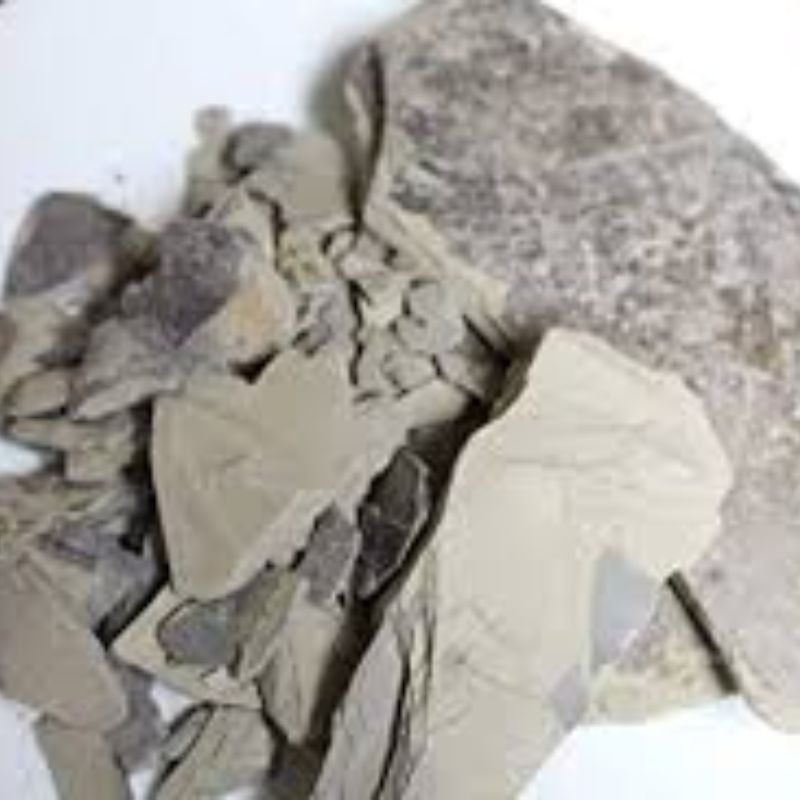
Most people’s first contact with clay was probably in their preschool arts and crafts class. We all know what clay is and what it feels like.
The sticky, gooey soil we all used to make our tiny cups and plates is also the main substance used in pottery.
But did you know this sticky mess was edible? Not the kind you used in class, of course; that might very well kill you.
For this article, we are referring to the edible clay.
Although many may argue that clay shouldn’t be consumed as it can be toxic to the human body, many Nigerians and Ghanaians, especially pregnant women, crave the taste and smell of clay.
There are various types of edible clay, and they have their uses.
Source: treazyblaq
Types of Edible Clay and Their Uses
Kaolin and Bentonite clay are said to possess quantities of healthy micronutrients, and southern Nigerian women and Ghanaians mostly take them.
It is believed that these clays have abilities to remedy certain ailments like;
- Cure diarrhoea caused by the rotavirus.
- It might improve pain in people suffering from irritable bowel syndrome.
- It might help with inflammations in the mouth
- It might solve cases of nausea and poisoning.
Despite these benefits, clay can be unsafe when ingested for an extended period as it contains certain unhealthy elements.
Side Effects of Eating Clay
- Clay can cause low potassium levels in the body system.
- Clay can reduce iron levels in the body
- It is likely to cause lead poisoning
- It may lead to muscle weakness
- Clay can cause intestinal blockages
- It can cause Skin sores
- It may cause breathing problems.
If you do choose to eat clay, you must limit the amount of clay you intake.
The safe dosage of edible clay consumption is; 3 grammes of clay daily for three months only or 4g of clay daily for six weeks.
Remember to take clay for only a short period of time. Doing this does not completely eliminate the possibility of side effects.
You may still experience effects like constipation and vomiting.
Disclaimer:
A medical practitioner did not write this article. If you’d like to know the side effects of clay, please visit your doctor.
Only include clay you’ve in your mind once you have had a proper conversation with a nutritionist or primary health care provider.