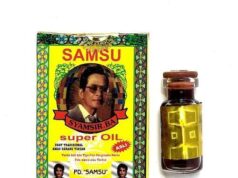


At the close of 2023, Nigeria witnessed a scandalous quantity of fake products being distributed within the country. These fake products were not just sold in corner streets or shady kiosks; they were sold and distributed by trustworthy and reputable retailers.
In Nigeria, fake products (Aba-made) are not anything new. We are used to seeing fake Nike, Balenciaga and Adidas shoes with their names utterly butchered. We are familiar with fake clothing from what is supposed to be Dior, Louis Vuitton and Givenchy. These products were so obviously fake yet they became a usual sight.
Source: Top 10s
However, pandemonium was let loose in December of 2023, when NAFDAC, the Nigerian Agency for Food and Drug Administration, busted and seized an astounding number of fake consumables (drinks) from various shabby warehouses.
What made this discovery even more frightening was how authentic-looking these products were; they looked just as good as the original.
This discovery led to even more uncovering by Nigerians on social media. Both local and internationally-produced home staples, foodstuffs, electronics, and any item imaginable could be fake. So, one has to wonder, how can you spot a fake product? Is it impossible?
How to identify a fake product
Identifying a fake product differs depending on the product, but here is a general context for you;
1. Typing or selling errors: This is pretty obvious; when Samsung becomes Samsung and Adidas becomes Adidas, it is a no-brainer.
2. The fonts and brand pictures are different: Surely, you must have seen the logo or picture of the product you would like to buy. Brands usually have a trademark color, font and style. For example, everyone knows that the Coca-Cola font is Jean Sans MT Condensed Medium, and their brand colors are red and white. So, when you see something other than the recognized trademark of a brand, it may be a fake product.
3. Origin country is wrong: Let us say a particular tea is only made in India or distributed by a particular company in Lagos, Nigeria. Then why does this tea pack say, South Africa? Please do your research and ask yourself and the person trying to sell it to you these questions.
4. Beware of too-good-to-be-true discounts: Yes, your favorite brand may run a discount, but when the price is ridiculously low, you need to double-check. You could visit their official online store or their headquarters in your city. Better to be safe than sorry.
5. Scan the barcode: This may not be so reliable anymore. Now, there are even fake bar codes on fake products. However, you could try scanning the barcode on the product itself and that on the product packaging or box to make sure they match.
6. Beware of flimsy packaging: If your favorite juice pack becomes less durable and the texture of the material is not the same, you should take note of that. A good business will ensure their packaging is made of the best material always.
One sure way of not getting scammed into buying a fake product is going directly to the source. The business owner must have a list of registered vendors or suppliers in your town or city. You can be assured of your purchase if you get it straight from the source.
Identifying fake products can be very difficult, but with these suggestions, you should sieve out the majority of the fake products out there.