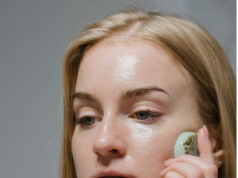

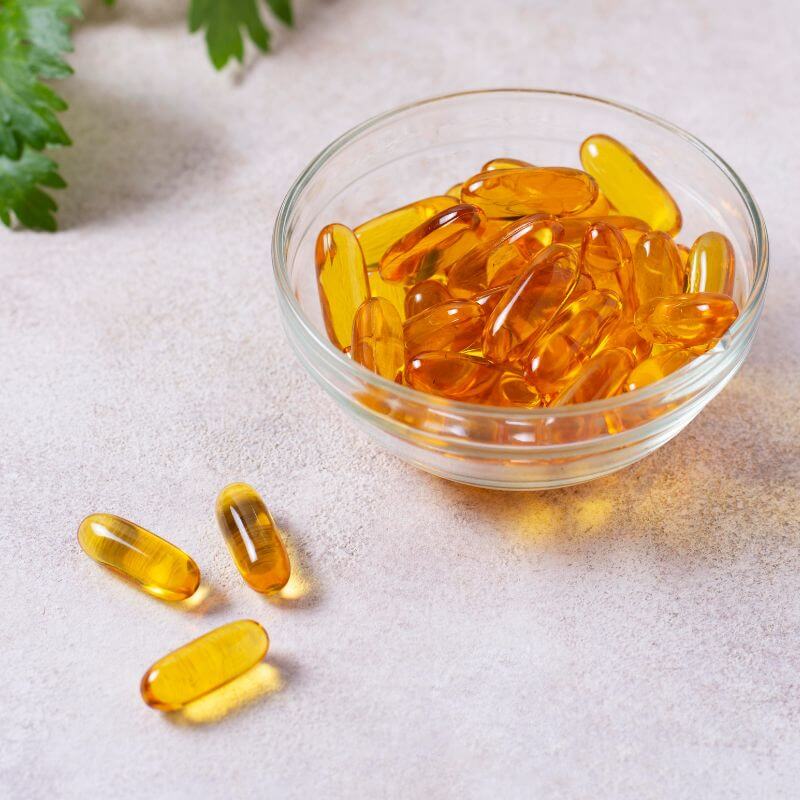
Vitamin E is a set of chemical compounds in oils, green leafy vegetables, and other vegetables. It is an antioxidant stored in fatty tissues that travels through the lymphatic system to enter the bloodstream. Vitamin E’s primary tasks include improving blood flow, protecting cell membranes, and strengthening the heart, muscles, and skin.
Vitamin E and Acne
Acne prevention begins with nourishing your skin from the inside out. Nourishing from inside supplies each cell with the nutrition it requires to function optimally.
Vitamin E contains anti-inflammatory qualities and inhibits the growth of acne-causing bacteria by preventing the production of comedones. Comedones are tiny lumps on the skin that start forming a larger colony of acne. Do you know how you can notice a slight bump one day and then find a slew of minor but whiter bumps the next morning? Comodones are what they are called.
Studies have also revealed that Vitamin E’s antioxidant properties and ability to act as a free radical scavenger protect and nourish skin cells. Vitamin E, with its antioxidant and anti-inflammatory qualities, aids in treating acne.
Wonders of Vitamin E
When your skin is dry, it can become sensitive and inflamed. It is critical to keep it hydrated. Vitamin E’s hydrating properties allow your skin’s natural oil to be preserved rather than drying out.
Because vitamin E is fat-soluble, it is readily absorbed through the skin. This hastens the healing of acne and related scarring. Not only that, but it also regulates collagen and elastin formation in the skin. Collagen increases skin suppleness and helps to keep skin moisturized. It can also help to minimize dryness and wrinkles.
How to Use Vitamin E for Acne
One thing to remember while using vitamin E is that if it is used in high doses or in pure form, it can clog pores, especially in persons with acne-prone skin. To guarantee that vitamin E works with your skin rather than against it, choose a product with vitamin E as a key ingredient, such as a moisturizer or serum.
Risks associated with using Vitamin E
Topical vitamin E will not hurt your skin. However, oil- and cream-based varieties can have some drawbacks, especially if you have oily skin.
Using greasy formulations may cause your pores to clog. These can cause acne by adding too much oil to already active sebaceous glands.
There are also potential risks to putting pure vitamin E oil on your skin without diluting it with carrier oil. Before using it on your skin, use a couple of drops per tablespoon of carrier oil. You should also run a patch test beforehand.
Many foods are high in vitamin E, so many people obtain enough of this essential from a healthy diet. If you additionally take vitamin E supplements, you may have a vitamin E overdose.
Too much vitamin E can raise your risk of bleeding, mainly if you use anticoagulants like warfarin. Always consult your doctor before using supplements, especially if you are on other vitamins or drugs.